Around the world, companies are rethinking waste- not as something to discard, but as a valuable resource that can support innovation, improve resilience, and reduce environmental impact. Recycled plastic, once treated as a low-value byproduct, is now becoming an increasingly important part of global manufacturing and packaging supply chains.
As technology advances and collection systems improve, recycled materials are finding new life across industries. From packaging and consumer goods to automotive and construction applications, recycled plastic is helping businesses reduce dependence on virgin fossil-based materials while supporting a more circular economy.
The Shift Toward Circular Thinking
For decades, supply chains largely followed a linear model- take, make, use, dispose. But growing pressure on natural resources, alongside rising expectations from consumers, regulators, and brands, is accelerating the shift toward more circular systems.
A circular economy focuses on keeping materials in use for as long as possible through collection, recycling, and reuse. By recovering plastic after use and reintroducing it into manufacturing, businesses can reduce waste, lower carbon emissions, and create long-term material value.
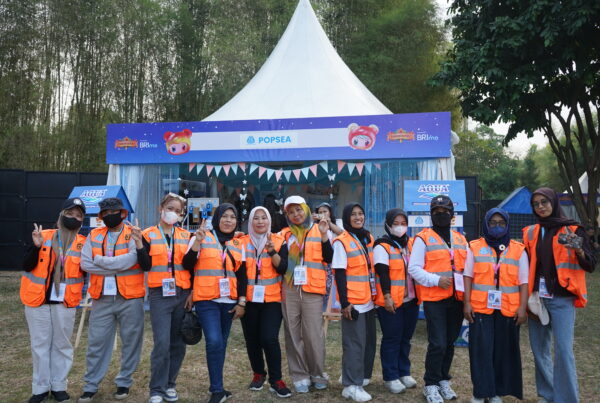
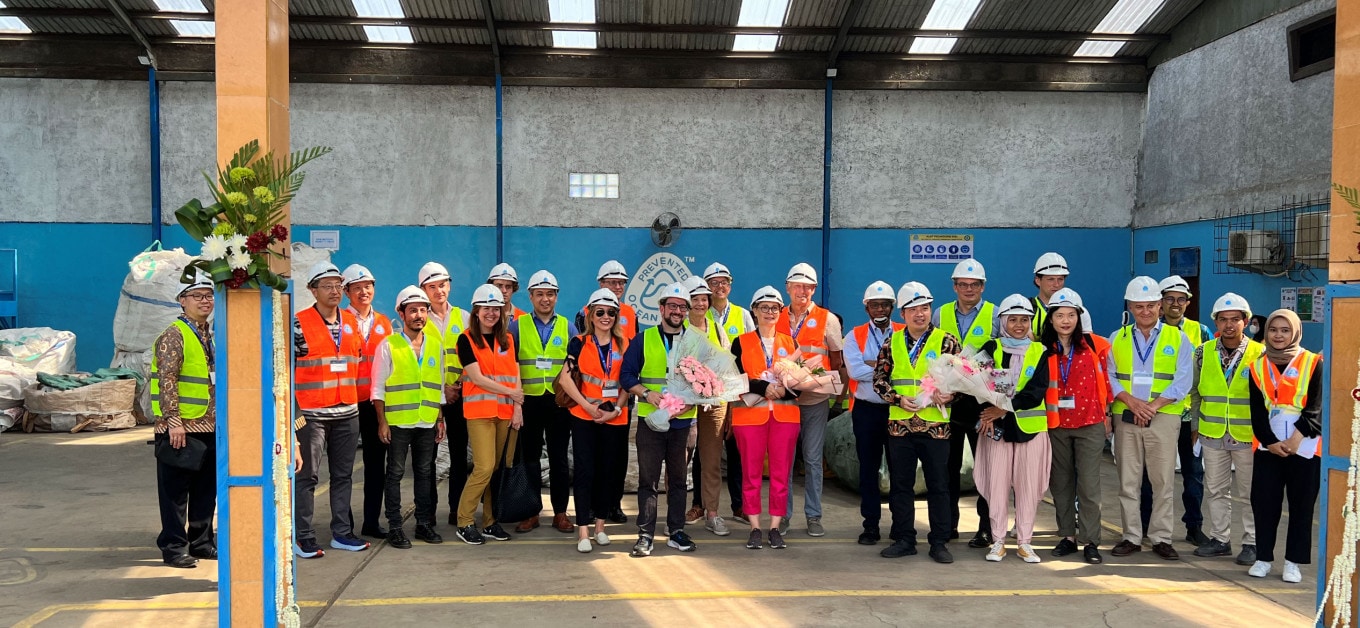
At Prevented Ocean Plastic, this approach is central to our work. By collecting discarded plastic from coastal communities at risk of ocean pollution and transforming it into recycled material suitable for new packaging and products, we help connect waste recovery with global supply chains.
Innovation Driving Higher-Quality Recycled Plastic
Producing recycled plastic that meets demanding performance standards requires continuous innovation in collection, sorting, washing, and processing technologies. Mechanical recycling remains the most widely used process, allowing plastics to be recovered and remanufactured into new products at scale.
Advances in recycling technology are also improving consistency, traceability, and material performance, enabling recycled plastics to be used in increasingly demanding applications. Developments in food-safe recycled plastics, including recycled HDPE and recycled polypropylene (PP), are opening new opportunities for circular packaging systems.
As these technologies continue to evolve, recycled plastic is becoming a more viable and scalable alternative to virgin material across a wider range of industries.
Building More Resilient Supply Chains
Integrating recycled plastic into manufacturing is not only an environmental decision — it can also strengthen supply chain resilience. Diversifying material sources helps businesses reduce dependence on virgin fossil-based feedstocks and respond to growing market demand for recycled content.
Brands and retailers are increasingly setting targets for recycled material use, while new regulations across multiple regions are encouraging higher levels of recycled content in packaging. Businesses that invest early in recycled material supply chains are positioning themselves to adapt more effectively to these changes.
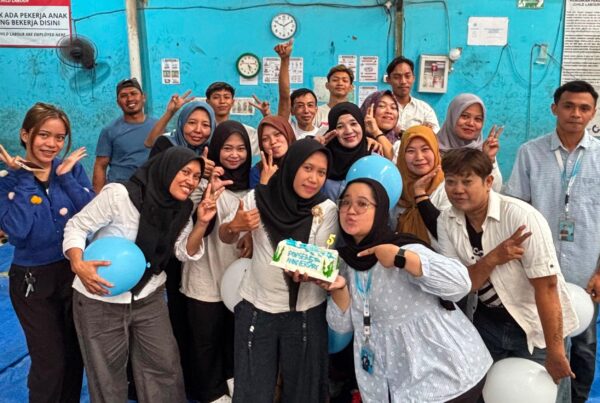
Recycling infrastructure also creates economic opportunities within collection communities, supporting jobs, waste management systems, and local recycling ecosystems.
Collaboration Across the Value Chain
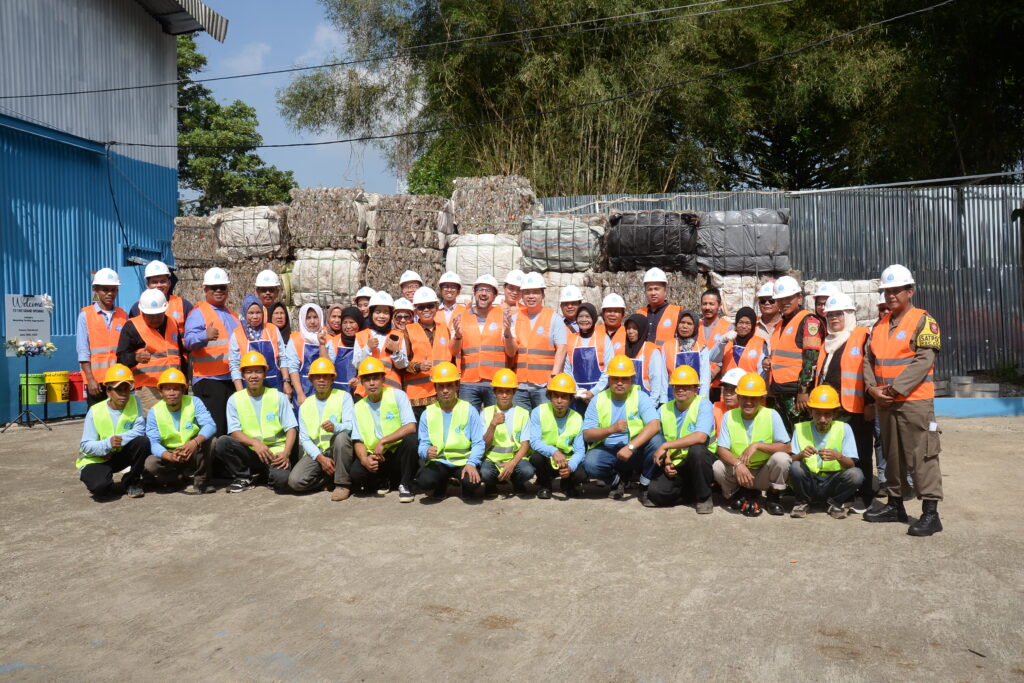
No single company can build a circular economy alone. Progress depends on collaboration between collectors, recyclers, manufacturers, brands, retailers, and logistics providers.
Across the plastics value chain, partnerships are helping improve collection systems, increase recycling capacity, standardize quality requirements, and expand access to verified recycled materials. Greater transparency and traceability are also becoming increasingly important, helping businesses and consumers understand where materials come from and how they are processed.
At Prevented Ocean Plastic, collaboration with recyclers, manufacturing partners, and global brands helps ensure collected material can be transformed into high-quality recycled plastic suitable for use in new products and packaging.
Environmental Impact and Consumer Expectations
Reducing plastic waste in supply chains has significant environmental upside. Every ton of recycled plastic used prevents the need for new fossil fuel extraction, decreases greenhouse gas emissions, and reduces the amount of waste destined for landfills or oceans. For consumers, these benefits matter more than ever. Shoppers are increasingly willing to pay a premium for products that demonstrate real environmental responsibility.
Brands that communicate their use of recycled materials, including plastic packaging solutions, are not only lowering their environmental footprint. They’re building trust and loyalty with eco-conscious buyers. Transparency, certification, and storytelling all play a role in helping businesses turn sustainability into a powerful brand differentiator.
Looking Ahead
As global supply chains continue to evolve, recycled plastic is playing an increasingly important role in building more circular, resilient systems. Continued investment in recycling infrastructure, innovation, and collaboration will be essential to scaling the impact of recycled materials worldwide.
The transition will not happen overnight, but momentum continues to grow. Businesses that embrace circular material systems today are helping shape a future where plastic is valued not as waste, but as a resource that can remain in use again and again.
Author bio: Erika Frayser is Director of Operational Excellence at Seattle-Tacoma Box Company, parent to SeaCa Plastic Packaging, which specializes in providing innovative plastic packaging solutions tailored to a variety of industries, including seafood, produce and more. As a sixth-generation member of the family that has been operating the business since 1889, Frayser focuses on process improvement, sustainability and public relations. During her tenure, SeaCa Plastic Packaging launched the company’s CORR Cycle Program to help end users recycle plastic packaging, and streamlined processes within the organization to set the company up for continuous growth for generations to come.