This World Oceans Day, Prevented Ocean Plastic announces the results of a landmark scientific assessment funded by the programme, examining plastic waste flows and circular economy opportunities in Dar es Salaam, Tanzania- one of Africa’s fastest-growing coastal cities.
Conducted by the the University of Georgia’s Circularity Informatics Lab founded by Dr. Jenna Jambeck, the study, a Circularity Assessment Protocol (CAP), provides one of the most comprehensive, data-driven analyses to date of how plastic moves into, through, and out of a major urban center at high risk of ocean plastic leakage.
The research forms part of Prevented Ocean Plastic’s ongoing commitment to preventing pollution by building infrastructure supported by data and thought leadership for long-term, scalable recycling solutions in regions most impacted by plastic waste.
Insight into Impact
The Circularity Assessment Protocol mapped plastic use, collection, and leakage across Dar es Salaam, a city projected to exceed 10 million residents by 2030. The findings highlight both the scale of the challenge and the significant opportunity for system-wide change.
Key insights include:
- The city generates up to 8,200 metric tonnes of waste daily
- 65% of all litter recorded was plastic- food packaging the single largest category- with few natural barriers to prevent it from reaching the sea
- Over 10,000 litter items were documented across survey sites, averaging more than 3 items per square metre
- Of those items, caps and bottles were the most common, followed by trash bags, food wrappers, grocery bags, and straws
At the same time, the study identifies clear, actionable pathways to improve circularity- from product design changes and policy enforcement to investment in collection infrastructure and community-led waste systems.
Supporting Local Solutions
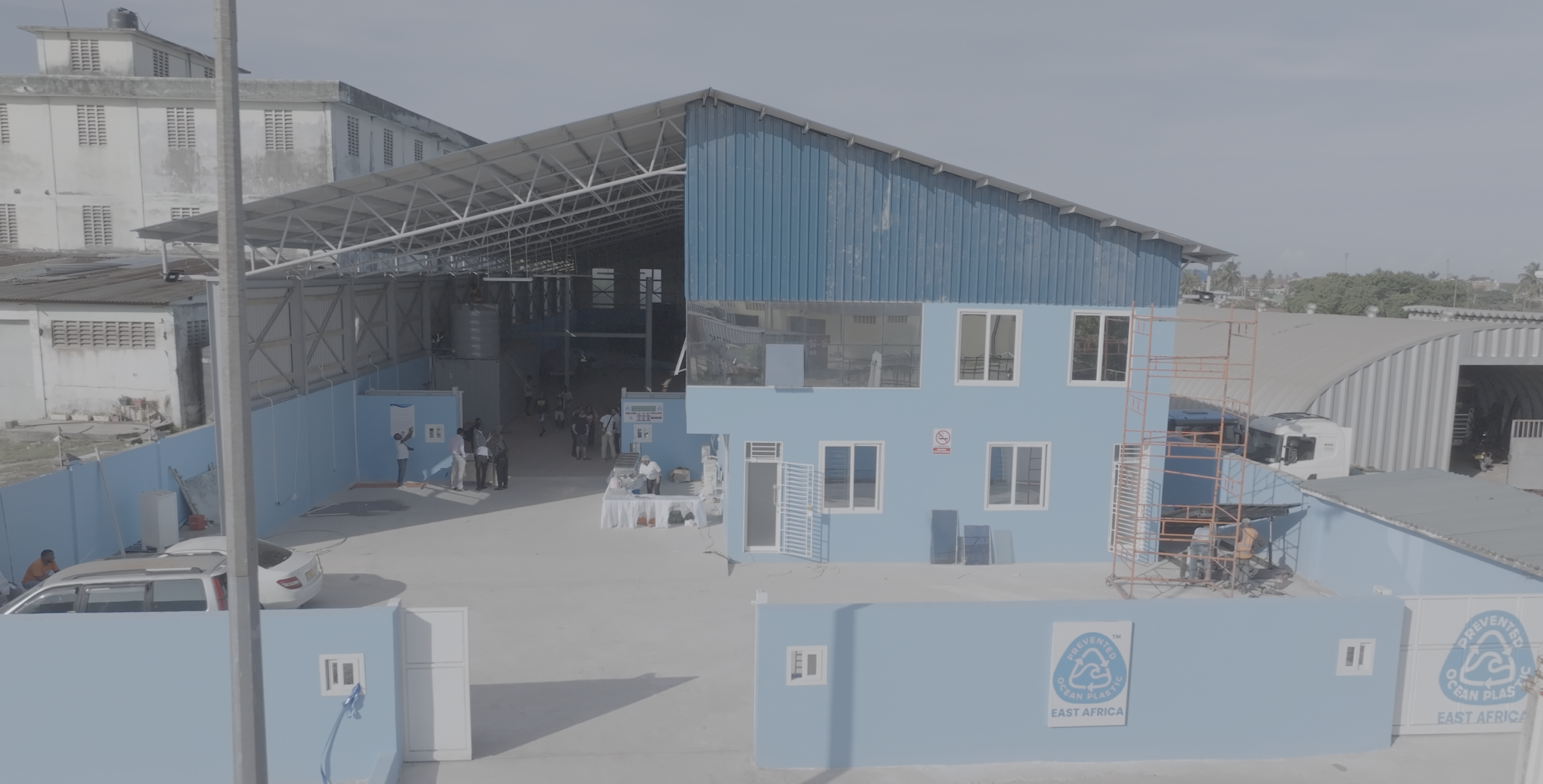
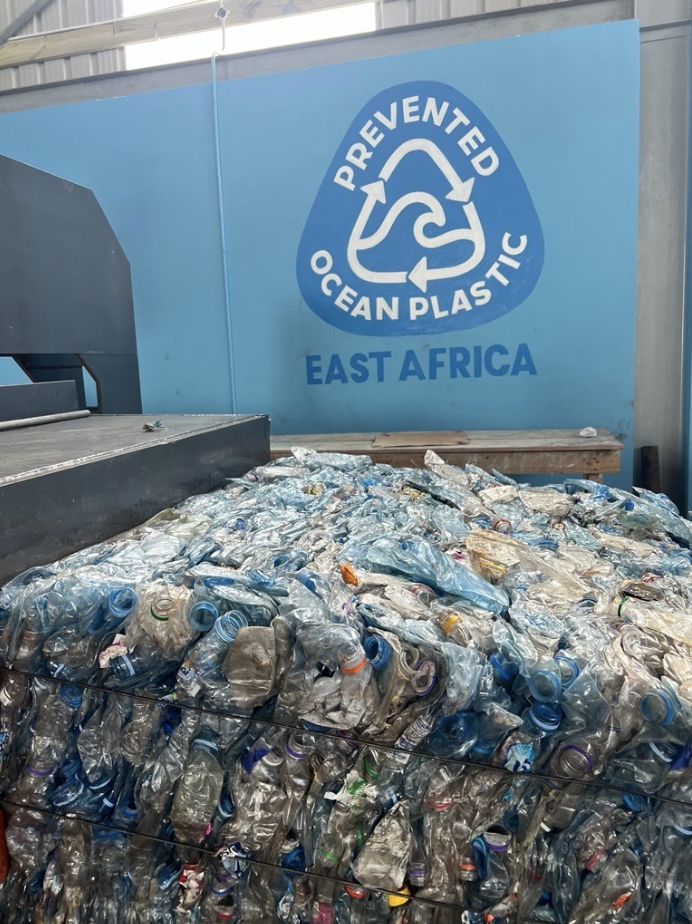
Prevented Ocean Plastic’s sponsorship of the research further supports the programme’s physical presence in East Africa. In November 2024, POP opened its first franchise in the region, dedicated to plastic collection in Dar es Salaam. The facility can process up to 300 metric tonnes of PET plastic per month, where each tonne collected is recycled and given a second life as part of new products.
The study highlights that community-led local models can be successful while high-performing circular systems are achievable with the right combination of infrastructure, incentives, and engagement. Prevented Ocean Plastic plans to build from its first location into many across East Africa, as it has done in other geographies including Southeast Asia where a CAP was already carried out in Semarang, North Java Island in 2021. Since then over a dozen locations have been opened in the region, collecting circa one billion bottles per year, preventing them from reaching the ocean.
Data-Driven Pollution Prevention
Prevented Ocean Plastic has sponsored research before. In 2023, a project called ‘Inland Litter Hydrodynamics’ with the purpose of characterising the transport of litter during wet weather events began. Previous studies on this subject were focused on plastic already in oceans and rivers, while Prevented Ocean Plastic continues to examine the benefits of prevention and stopping this plastic from ever reaching the water in the first place. By funding research alongside expanding its practical impact, POP aims to provide policymakers, businesses, and NGOs with the evidence needed to make informed decisions that reduce plastic leakage.
The CAP findings underline the importance of:
- Designing packaging for recyclability
- Strengthening collection and sorting systems
- Building the recycling supply chain
- Scaling proven community-based models
With a significant proportion of products in Dar es Salaam manufactured locally, the study also points to a unique opportunity for regionally driven solutions that can be implemented at scale.
As cities like Dar es Salaam continue to grow, the need for effective, circular waste systems becomes increasingly urgent. Prevented Ocean Plastic remains committed to supporting initiatives that prevent pollution at its source.
Prevented Ocean Plastic Founder, Raffi Schieir, says, “The hope is that every coastal region in East Africa and beyond can have access to best-in-class plastic collection infrastructure, to intervene and stop plastic problems before they hit our oceans. Using research and collaboration to inform action is a winning formula for our environment. Thank you to Dr Jenna Jambeck and her team for the years of hard work”.
About Prevented Ocean Plastic™: POP is high quality, compliant recycled plastic that has been collected from coastal communities at risk of ocean plastic pollution. Used by supermarkets and brands around the world, it meets regulatory health and safety standards, is traceable back to source and can be identified on-pack through its distinctive triangular logo. Prevented Ocean Plastic™ supply major manufacturing partners such as Groupe Guillin, Spectra Packaging, and Berry Global for offerings across multiple product categories, including food and drink, personal care, pet products and home cleaning. Prevented Ocean Plastic™ is an award-winning, three-time Earthshot Prize nominee, and has collected over 2.5 billion plastic bottles from where they don’t belong since 2020
About the Circularity Informatics Lab at the University of Georgia, USA: Founded by Dr. Jenna Jambeck, the Circularity Informatics Lab (CIL) strives to enable the circular economy at the community level through expanding awareness among leadership about upstream solutions for circular materials management, facilitating local data champions understanding of the circular economy, and bridging the gap between communities, government and businesses while promoting knowledge sharing and open data.