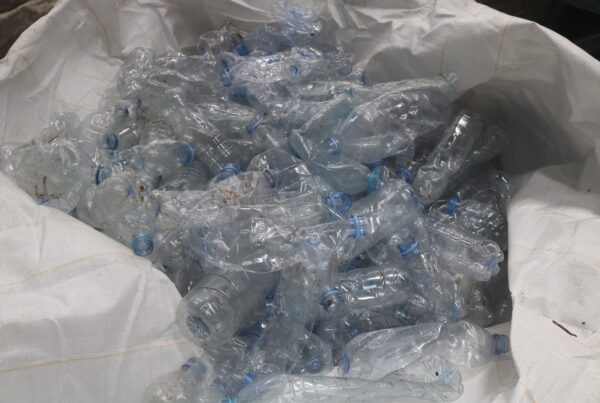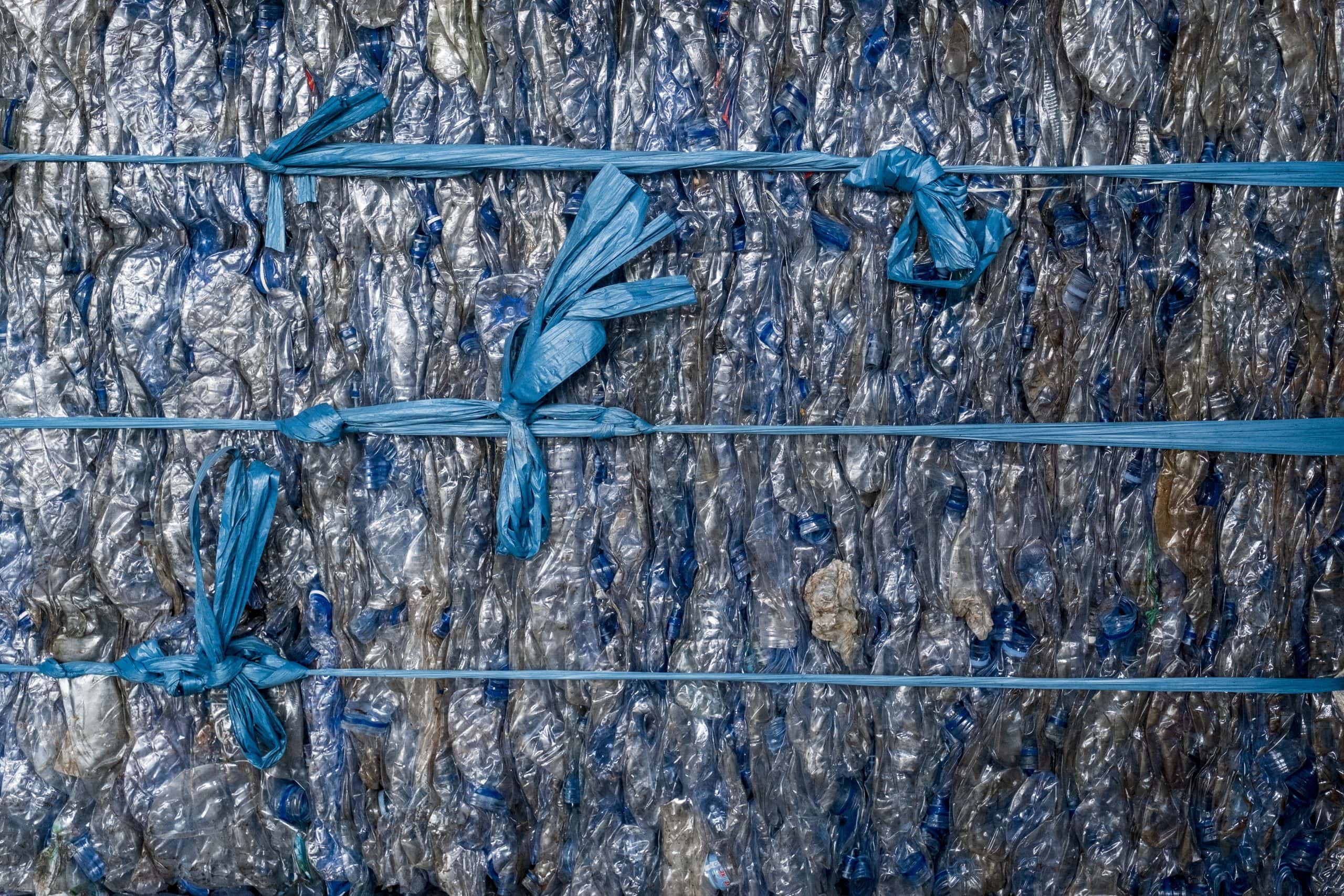
When it comes to plastic pollution and understanding how recycling works, we know things can be confusing. Finding long-term waste solutions and producing sustainable alternative materials is critical. Choosing recycled packaging made from Prevented Ocean Plastic™ means that the ocean plastic pollution problem can be tackled at its source. Before any recycling effort can begin though, discarded plastic needs to be collected, sorted, and identified. Did you know: There is more than one type of plastic.
In fact, there are hundreds of types of plastic (also called polymers), and, as innovation marches on, scientists and engineers can create new plastics with more unique qualities. On a regular basis though, most people interact with a relatively small, recognised number of plastics- there are seven types of plastic we most encounter. There is even an international coding system (often called the RIC) to help identify each material.
For recycling purposes, it is essential to know which plastic is which.
1) Polyethylene Terephthalate (PET or PETE)
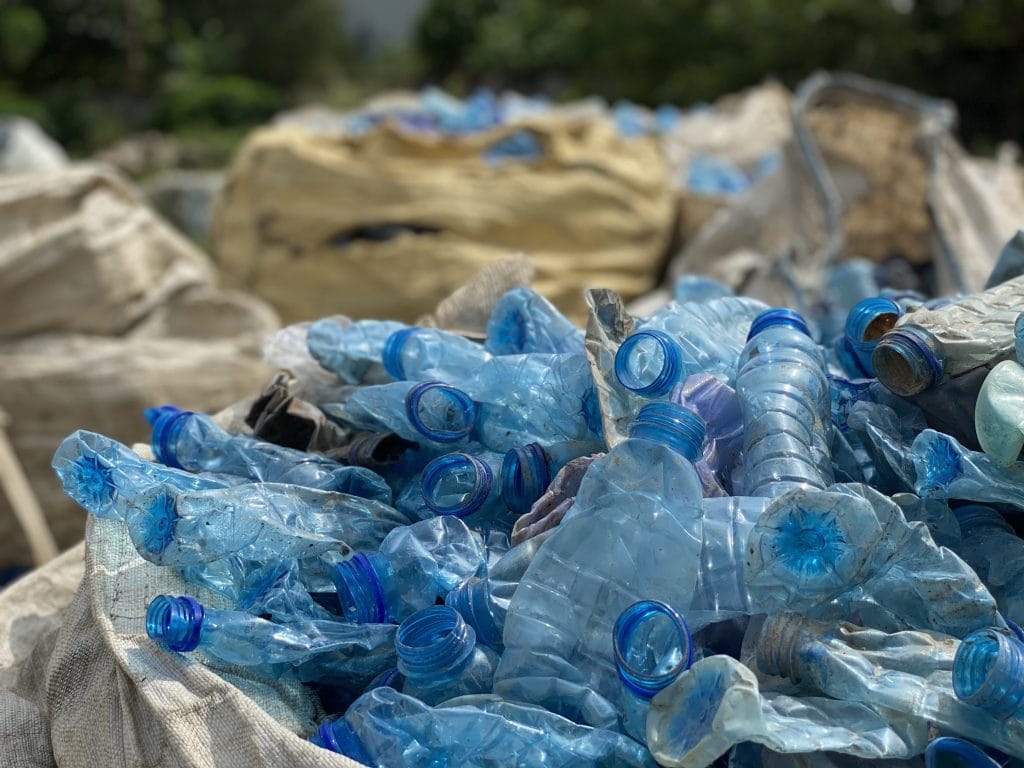
This is one of the most used plastics around the world. It is lightweight, strong, and typically transparent. Bottle production accounts for about 30% of global demand but the material is also widely used in fibres for clothing where it is referred to by its common name, polyester. PET is picked up through a lot of curbside recycling programmes around the world but in some countries or coastal regions that lack waste management infrastructure and collection incentives it is at risk of becoming ocean plastic pollution. PET-produced bottles lend themselves well to recycling and the term rPET is used to describe the recycled material.
2) High-Density Polyethylene (HDPE)
The high strength-to-density ratio, and moisture and temperature-resistance of HDPE ensures it is widely used around the world. Separately classified into three types- High-Density, Low-Density and Linear Low-Density- it is ideal for everything from bags, cartons and containers to pipes, plastic lumber, and other building materials. HDPE is commonly recycled.
3) Polyvinyl Chloride (PVC)
PVC, the world’s third-most widely used polymer, is relatively low cost, resistant to chemicals and weathering, impermeable to germs, and easily disinfected. PVC comes in two basic forms- rigid and flexible. The rigid form is used in construction for pipes, and pieces of doors and windows. It is also used in making plastic bottles, non-food packaging, and maybe the bank or gym card in your pocket. The flexible form is used in plumbing, electrical cable insulation, imitation leather, flooring, signage, inflatable products, and vinyl records.
4) Low-Density Polyethylene (LDPE)
First produced way back in 1933, LDPE remains an important plastic grade despite competition from more modern polymers. It is a softer, clearer, and more flexible version of HDPE. Its flexibility means it is often used as bags, wraps, lids, and as liner inside drinks cartons.
5) Polypropylene (PP)
PP is flexible, corrosion-resistant, colourfast, more heat resistant than other types of plastic and, perhaps most importantly, one of the most durable types of plastic. It can withstand mild bending but retains its desired shape and strength for a long time. Food containers made from it will not melt in the dishwasher, or melt during industrial hot filling processes. These qualities mean it is commonly used for plastic hinges, bottle caps, and packaging, piping systems and electrical cable insulation, furniture, and even the coloured stickers on Rubik’s Cubes.
6) Polystyrene (PS)
Polystyrene is one of the most widely used plastics, with several million tonnes being produced per year. Also known as Styrofoam, the material is versatile, lightweight, low-cost, and insulates well. It has been a staple in the food, packaging, and construction industries, and played an important role in biomedical and pharmaceutical research, but it is almost impossible to recycle.
7) Other
Yes, even the official ASTM International Resin Identification Coding System features an Other category. This is a catch-all for types of plastic that don’t belong in any of the categories above, or are combinations of multiple types. Code 7 plastics are often produced in limited volumes for specific purposes and are not typically recyclable.
While these codes and symbols help explain the current world of plastic and identify which materials are most easily recycled, none of them signify that a plastic has previously been recycled.
In fact, recent research shows that less than half (45%) of almost 2000 surveyed shoppers were confident they could identify in store which packaging has least impact on the environment.
That’s why we created the Prevented Ocean Plastic™ logo.
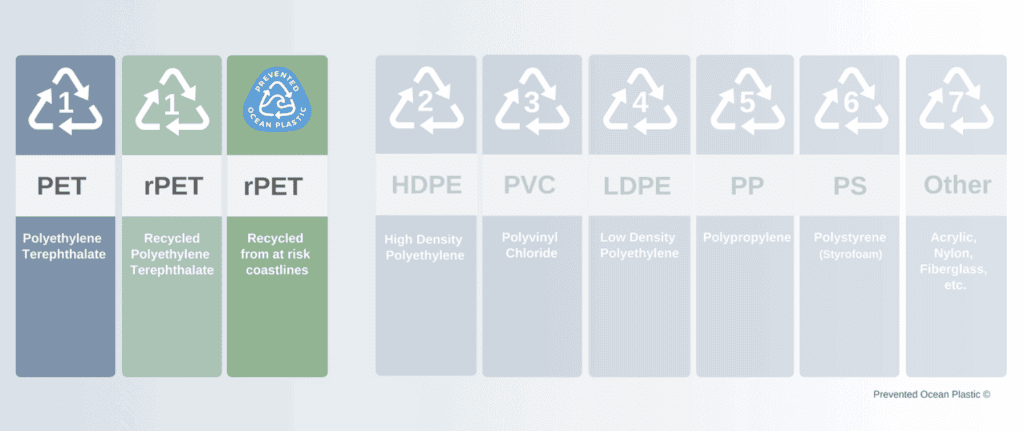
It shows that a product is packaged in high quality, certified and award-winning recycled plastic material made from discarded plastic collected from coastal areas at risk of ocean plastic pollution. It meets regulatory health regulations and safety standards, and is traceable back to source. For consumers, seeing the logo means they know they are protecting the oceans and marine life from pollution, cutting the need for more virgin plastic, and supporting people working in materials collection in developing countries across the world.
Ultimately, we know consumers want to make better choices. At Prevented Ocean Plastic™, we’re on a mission to show that not all plastic is the same and help with these ambitions!
About PREVENTED OCEAN PLASTIC™:
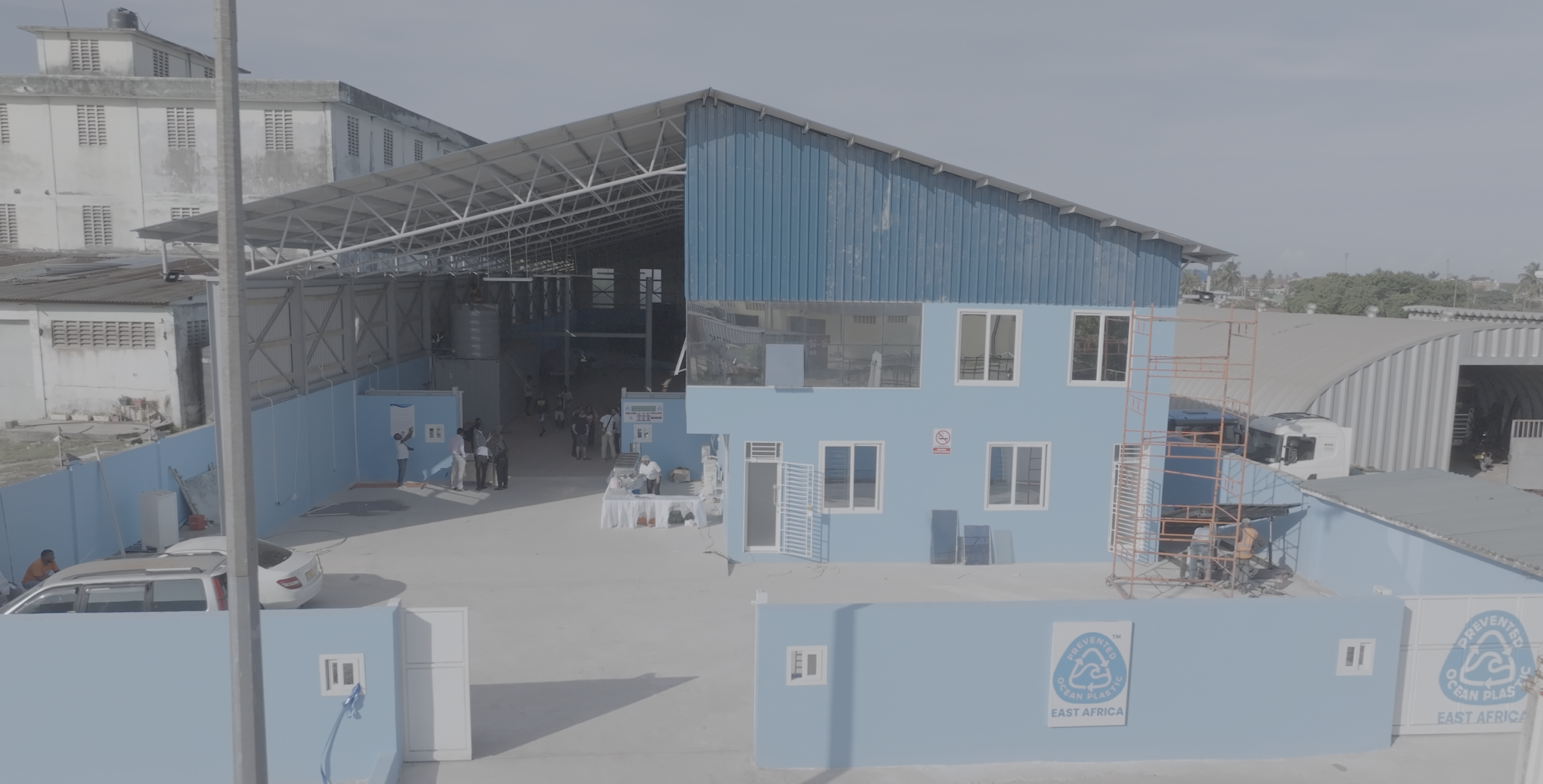
Prevented Ocean Plastic™ is high quality, certified recycled plastic that has been collected from coastal areas at risk of ocean plastic pollution. Used by supermarkets and brands around the world, it meets regulatory health and safety standards, is traceable back to source and can be identified on-pack through its distinctive triangular logo. Prevented Ocean Plastic™ was an official nominee for the 2023 Earthshot Prize, and counts Lidl, Sainsbury’s, Waitrose and Booths Supermarket as key partners, along with major manufacturing partners such as Groupe Guillin, Spectra Packaging, and Berry Global for offerings across multiple product categories, including fish, poultry, soft fruits, pet food, personal care, and home cleaning.